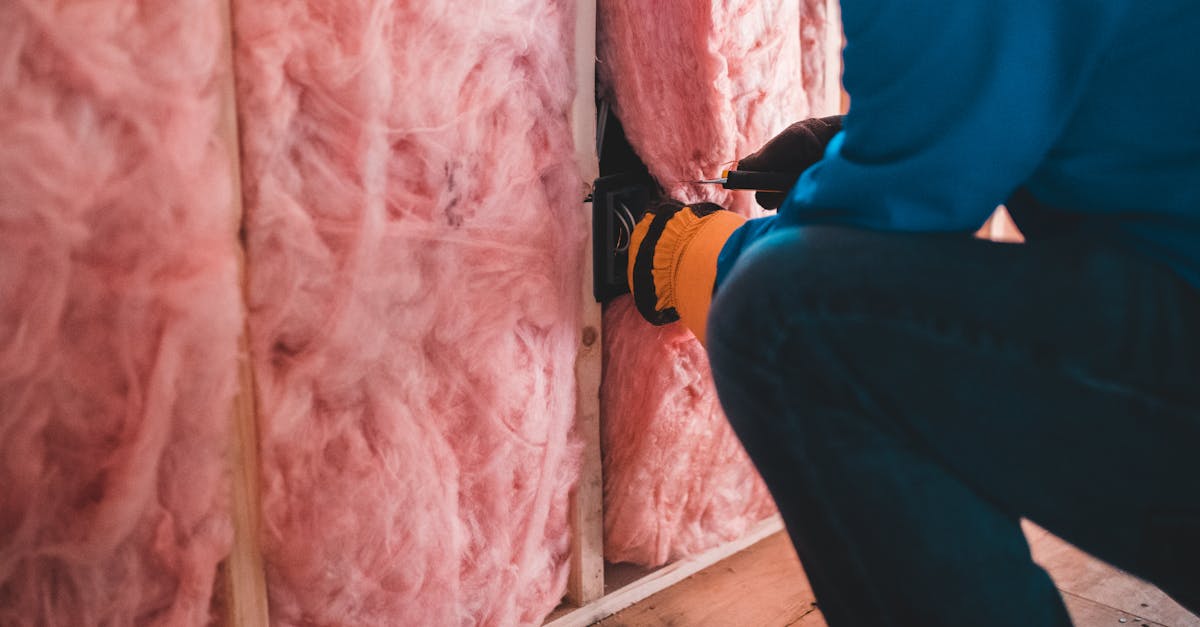
For the dedicated homeowner or contractor, the promise of superior insulation is compelling. Spray foam kits have revolutionized how we approach energy efficiency, air sealing, and comfort in our buildings. Yet, with a variety of options available, selecting the appropriate system can feel overwhelming.
This guide is designed to cut through the confusion. We will walk you through the critical factors that distinguish one kit from another, empowering you to make an informed decision for your specific project.
Understanding the Two Primary Types of Spray Foam
The first and most crucial choice you will make is between the two main categories of foam: open-cell and closed-cell. This decision fundamentally impacts the performance, application, and scope of your insulation project.
Open-Cell Spray Foam Insulation
As the name suggests, open-cell foam has cells that are not completely encapsulated. This structure gives it a softer, more flexible texture, similar to a sponge.
Its primary characteristics include:
- Lower Density: It is lighter and expands significantly more than closed-cell foam, making it excellent for filling large cavities.
- Superior Sound Dampening: The porous structure is highly effective at absorbing sound waves, a key benefit for interior walls or media rooms.
- Vapor Permeability: It allows moisture vapor to pass through, which can be advantageous in certain climate zones to prevent condensation within walls.
- Typical Application: Often used for interior applications like attic insulation foam, interior wall cavities, and under floors where an air barrier is needed but extreme rigidity is not.
Closed-Cell Spray Foam Insulation
Closed-cell foam is denser and more rigid because its cells are fully closed and packed together. It is a powerhouse of performance in a compact form.
Its defining advantages are:
- High R-Value Per Inch: It provides roughly double the insulating power (R-value) per inch compared to open-cell, making it ideal for spaces where thickness is limited.
- Structural Reinforcement: When cured, it adds remarkable rigidity to wall and roof assemblies.
- Impermeable Barrier: It acts as a highly effective air barrier and vapor retarder, sealing out moisture and drafts completely.
- Water Resistance: The closed-cell structure prevents liquid water absorption, useful in foundations, crawl spaces, and exterior applications.
Key Selection Criteria for Your Spray Foam Kit
Once you understand the foam type, several other practical considerations come into play. Evaluating these elements will ensure your DIY spray foam insulation project is a success.
1. Project Scope and Coverage Area
Spray foam kits are sold based on the board feet they cover. It is essential to calculate your square footage accurately and understand the desired depth of application.
- Measure Twice: Calculate the total square footage of the area to be insulated. Then, decide on your target R-value to determine the necessary foam thickness.
- Kit Sizing: Manufacturers provide clear coverage charts. Always purchase a kit with a slight surplus to account for learning curves and irregular spaces.
- Small vs. Large Projects: A smaller kit may be perfect for sealing gaps and cracks, while a full-home retrofit will require a larger, professional-grade system.
2. The Application System: Pro-Grade vs. Disposable
The equipment included in your spray foam kit significantly affects the ease and quality of the job.
- Disposable Canister Kits: These are all-in-one units with pre-mixed components. They are convenient for very small jobs but offer less control over spray pattern and mix ratio.
- Two-Component Tank Kits: These feature separate tanks for the “A” and “B” chemicals, a spray gun, and heated hoses. They provide professional-grade results, better consistency, and are more economical for larger projects.
- Key Features to Look For: Adjustable spray patterns, reliable heating elements for consistent viscosity, and ergonomic gun design for user comfort during extended use.
3. Climatic and Environmental Factors
Your local climate should directly influence your choice of foam and kit specifications.
- Temperature and Humidity: Most spray foam kits have specific ambient temperature and humidity ranges for proper application and curing. Check the manufacturer’s guidelines carefully.
- Climate Zone Needs: In cold climates, the superior air-sealing and high R-value of closed-cell foam are often prioritized. In mixed climates, a combination or specific vapor-permeable open-cell might be recommended.
- Indoor vs. Outdoor Use: Ensure the formulation you choose is rated for its intended environment, especially for exposed applications like rim joists or unvented crawl spaces.
Essential Safety and Preparation Steps
Working with spray foam insulation requires respect for the materials and proper preparation. Safety is non-negotiable.
- Personal Protective Equipment (PPE): A supplied-air respirator or a high-quality organic vapor cartridge respirator is mandatory. Also wear chemical-resistant gloves, goggles, and full-coverage clothing.
- Ventilation: Provide massive ventilation during application and curing. The chemicals are potent before they react and cure fully.
- Surface Preparation: Surfaces must be clean, dry, and free of dust, oil, or loose debris for proper adhesion. Cover all areas you do not want foam on with heavy-duty plastic sheeting.
- Practice First: Before tackling your main project, use the included test spray board or a piece of scrap material to get a feel for the gun’s trigger, spray pattern, and the foam’s expansion rate.
Maximizing the Value of Your Installation
A successful installation goes beyond just spraying the foam. These final tips ensure you get the full performance and longevity from your investment.
- Application Technique: Use slow, steady passes, holding the gun the recommended distance from the surface. Apply in layers (“lifts”) for deep fills to manage heat buildup and ensure proper curing.
- Thermal and Ignition Barriers: Building codes often require spray foam to be covered with a thermal barrier (like drywall) or an ignition barrier when exposed in living spaces. Understand your local requirements.
- Long-Term Performance: When installed correctly, spray foam insulation is incredibly durable. It will not settle, sag, or lose its R-value over time, providing decades of consistent energy savings and comfort.
The journey to a more energy-efficient and comfortable home is a significant undertaking. By methodically assessing your project’s needs—from the fundamental choice between foam types to the nuances of kit sizing and safety protocols—you transform a complex decision into a clear, actionable plan. The right spray foam kit is not merely a product; it is the key to unlocking a building’s full potential for efficiency, quiet, and structural integrity. Your informed selection ensures the effort you invest yields the superior, lasting results you envision.

Leave a Reply