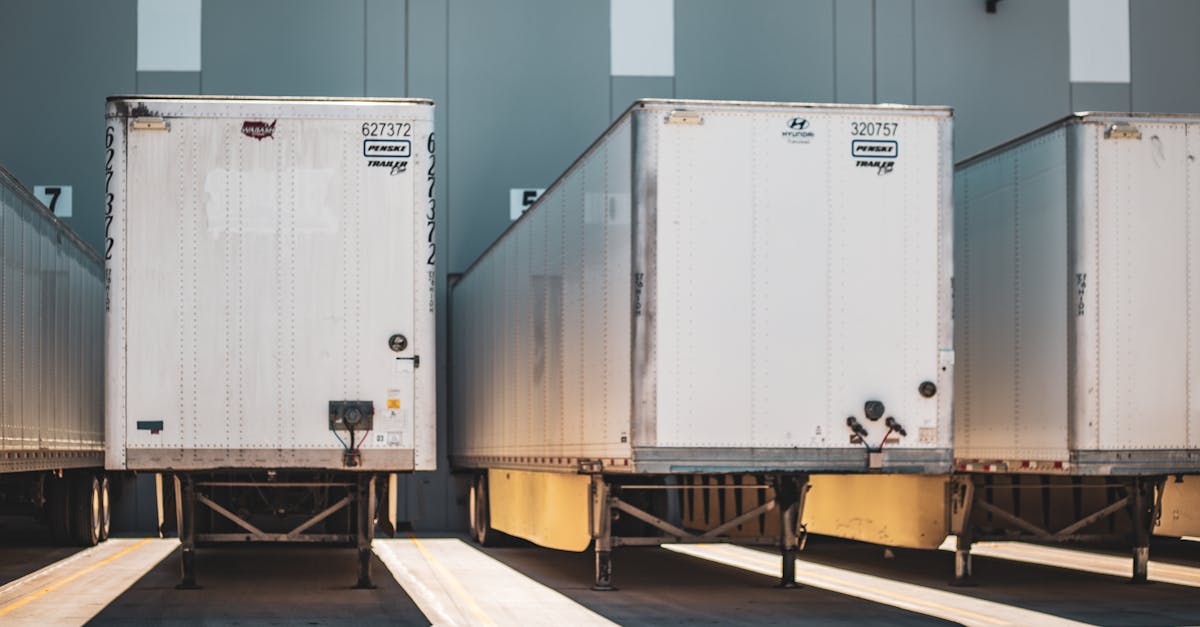
Selecting the right cargo trailer is a critical decision that impacts your hauling efficiency, safety, and budget. Whether you’re a business owner transporting equipment or a homeowner tackling a major project, the choice between open or enclosed, single or tandem axle, and the correct size can seem overwhelming. This guide will help you navigate these essential questions to find the perfect match for your specific requirements.
Understanding Your Core Needs
Before comparing specifications, clearly define what you intend to haul. The nature of your cargo dictates nearly every other choice. Ask yourself these key questions to establish a foundation for your search.
What Are You Transporting?
The type of items you move is the primary factor. Are they weather-sensitive, high-value, or simply bulky? Your answer will immediately point you toward an open or enclosed design.
- Weather-Sensitive Goods: Furniture, electronics, documents, or finished products require protection from rain, sun, and road debris.
- Equipment & Machinery: Lawn mowers, ATVs, or construction gear might need security and shelter from the elements.
- Raw Materials & Bulk Items: Lumber, landscaping materials, or non-perishable inventory may be suitable for an open design.
How Often Will You Use It?
Frequency of use influences your investment strategy. For a one-time move or occasional project, renting a cargo trailer is a practical and flexible solution. For regular, ongoing needs, purchasing may offer better long-term value.
The Fundamental Choice: Open vs. Enclosed Trailers
This is the most significant fork in the road. Each style offers distinct advantages tailored to different hauling scenarios. Understanding these differences is crucial for making an informed decision.
The Case for Enclosed Cargo Trailers
An enclosed trailer provides a secure, weatherproof shell. It is the preferred choice for protecting valuable or delicate cargo from theft, precipitation, and wind during transit.
- Complete Weather Protection: Safeguards contents against all conditions, making it ideal for cross-country moves or sensitive freight.
- Enhanced Security: Lockable doors deter theft, offering peace of mind when leaving tools or merchandise unattended.
- Versatile Utility: Can serve as a mobile workshop, storage unit, or even a temporary booth for events.
When searching for cargo trailers near me, you’ll find that enclosed trailer options are widely available for both rental and purchase, including a robust market for used enclosed trailers for sale.
The Advantages of Open Utility Trailers
Open trailers, such as flatbeds or mesh-sided models, offer unmatched accessibility and are often more economical. They excel at hauling items that are too large, dirty, or heavy to box in.
- Easy Loading/Unloading: Load from all sides with a forklift or by hand, perfect for bulky equipment or construction materials.
- Lower Weight & Towing Cost: The lack of walls reduces tare weight, which can improve fuel efficiency and reduce strain on your tow vehicle.
- Ideal for Specific Cargo: Best for transporting vehicles, landscaping debris, or large machinery that doesn’t require shelter.
Selecting the Correct Trailer Size
Choosing a trailer that is too small is impractical, while one that is too large is inefficient and more challenging to tow. Size is typically denoted by interior length and width (e.g., 6×12 ft).
Common Cargo Trailer Sizes & Applications
- Small (4×8 ft to 5×10 ft): Ideal for lawn care equipment, motorcycles, or small moving jobs. Easily towable by mid-size SUVs.
- Medium (6×12 ft to 7×14 ft): The most versatile size range. Can handle the contents of a 1-2 bedroom apartment, multiple ATVs, or commercial trade tools.
- Large (8×16 ft to 8.5×24 ft): Suitable for full household moves, large vehicles, or significant commercial inventory. Often requires a heavy-duty tow vehicle.
A pro tip: When renting a cargo trailer, it’s often wise to select a size one step larger than you initially calculate. This provides a buffer for unexpected items and makes loading less of a tactical puzzle.
Axle Configuration: Single vs. Tandem
The number of axles affects stability, weight capacity, and safety. This is a technical but vital consideration, especially for heavier loads.
Single Axle Trailers
- Pros: Lighter, more maneuverable, and generally have a lower initial investment. Simpler maintenance with fewer tires and brakes.
- Cons: Lower weight capacity. Can be less stable at highway speeds, especially if a tire fails.
- Best For: Lighter, sub-3,000 lb loads, occasional use, and shorter distances.
Tandem Axle (Dual Axle) Trailers
- Pros: Higher weight capacity and superior stability. If one tire goes flat, the other on the same side can often support the load to get you safely off the road.
- Cons: Heavier, less maneuverable in tight spaces, and may involve a higher upfront cost.
- Best For: Heavier equipment, long-distance travel, high-value cargo, and anyone prioritizing maximum road safety.
Specialized Trailer Types
Beyond standard models, specialized trailers are designed for unique applications. One notable example is the Shipping Container Trailer.
These are essentially a standard shipping container mounted on a trailer chassis. They offer extreme durability, standardized locking mechanisms, and modularity. They are perfect for businesses that need to move sealed, containerized goods directly from a port to a site or for extremely secure, long-term storage solutions on the go.
Key Features & Construction Considerations
Pay close attention to build quality and features, as these determine longevity and functionality.
- Frame & Wall Construction: Look for robust, welded steel frames. Wall options include smooth aluminum (lightweight, modern), corrugated metal (durable), or composite panels (insulated).
- Flooring: Pressure-treated marine-grade plywood is standard. Upgrades to diamond plate aluminum or hardwood are available for heavy-duty applications.
- Door & Ramp Options: Consider rear ramp doors for equipment, side doors for accessibility, and roof height for walking inside.
- Brakes & Lights: Electric brakes are essential for heavier trailers. Ensure all lighting (running, brake, turn signals) is DOT-compliant and functional.
Making Your Final Decision
With your needs assessed and options understood, you can confidently narrow your search. Remember to always verify your vehicle’s towing capacity, hitch requirements, and local regulations before committing.
For many, the ideal path forward involves consulting with a reputable dealer who can provide tailored advice based on your specific hauling profile. They can help you weigh the pros and cons of renting enclosed trailer options versus purchasing, and ensure the trailer you choose—whether open or enclosed, single or tandem axle—is perfectly sized and equipped to handle your tasks reliably for years to come.

Leave a Reply