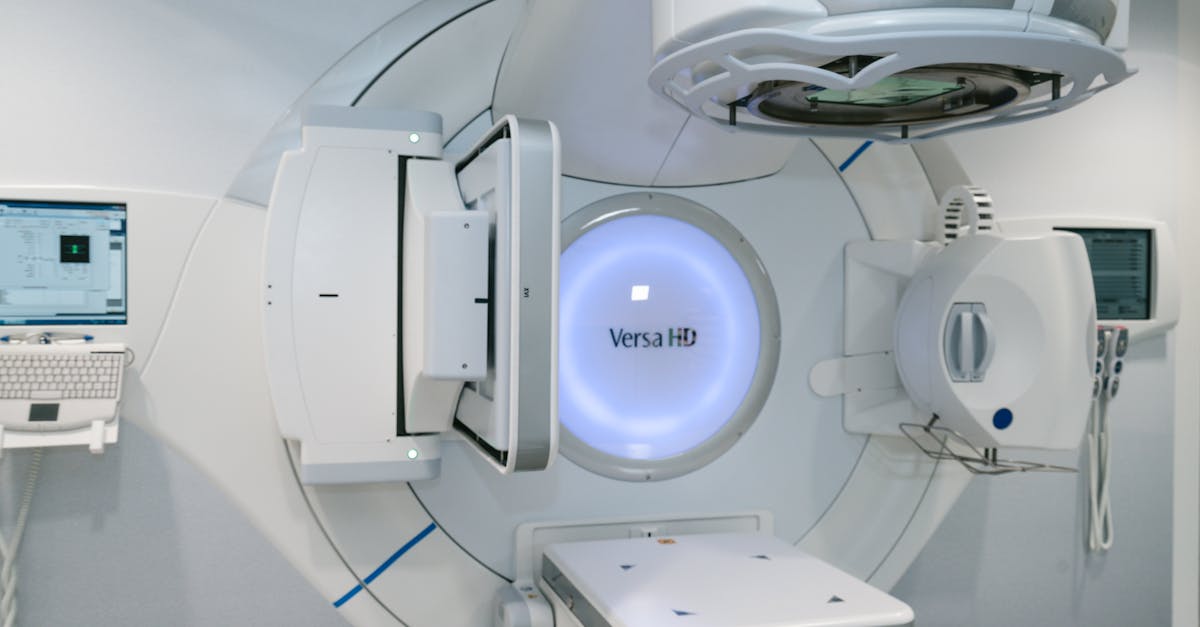
For millions of patients, the word “radiation” evokes a mix of hope and apprehension. It is one of the most powerful tools in oncology, yet its inner workings remain a mystery to many. Understanding precisely what happens inside the body when radiation beams are activated—and how tissues respond over the long term—can transform a passive patient into an empowered participant in their own care. This is not merely about side effects; it is about the biology of repair, the chronicity of change, and the strategic decisions that shape quality of life for decades.
The Biological Mechanism: How Radiation Targets Cancer
Radiation therapy works by depositing high-energy particles or waves directly into targeted tissue. The core objective is to damage the DNA of malignant cells so thoroughly that they cannot divide or survive.
Inside the cell, radiation generates free radicals—unstable molecules that attack the double helix of DNA. This damage is immediate, but the biological consequences unfold over hours and days. Cancer cells, which replicate rapidly, are especially vulnerable because they lack the robust repair mechanisms found in healthy tissue.
- Direct damage: High-energy photons or protons break DNA strands directly.
- Indirect damage: Radiation ionizes water molecules in the cell, creating reactive oxygen species that attack DNA and cellular membranes.
- Mitotic catastrophe: Damaged cells attempt to divide, fail, and undergo programmed cell death (apoptosis).
This selective vulnerability is why fractionation—delivering the total dose in small daily treatments—is so effective. It gives healthy cells time to repair between sessions while cancer cells accumulate lethal damage.
The Immediate Physiological Response
Within minutes of the first treatment, the body begins a cascade of inflammatory and reparative processes. Blood flow to the irradiated area increases, immune cells are recruited, and cellular debris from dying cancer cells is cleared by macrophages.
Patients typically feel nothing during the beam delivery itself. However, within one to three weeks, the cumulative effect becomes perceptible. The skin over the treatment site may redden and feel tender—similar to a sunburn. Internally, mucosal surfaces in the mouth, throat, or bowel can become inflamed, leading to discomfort or altered function.
Acute Side Effects by Treatment Site
- Radiotherapy for breast cancer: Skin irritation, fatigue, mild swelling of the breast tissue.
- Radiotherapy for prostate cancer: Urinary frequency, rectal irritation, temporary bowel changes.
- Radiation therapy for lung cancer: Esophagitis (pain with swallowing), cough, shortness of breath.
- Head and neck treatments: Mucositis (painful mouth sores), dry mouth, taste changes.
These acute effects are almost always temporary. They peak around the midpoint of treatment and typically resolve within two to six weeks after the final session. Supportive medications, dietary modifications, and topical treatments can substantially reduce their severity.
Long-Term Tissue Remodeling and Fibrosis
The most critical phase for long-term health is the chronic period that begins months after treatment ends. Radiation does not simply disappear—its biological footprint persists in the extracellular matrix and microvasculature.
Normal cells that survive the acute phase undergo a process of chronic inflammation and repair. Over time, this can lead to fibrosis—the gradual replacement of functional tissue with stiff, collagen-rich scar tissue. This is not a failure of healing; it is an overactive healing response.
Key Long-Term Changes Inside the Body
- Vascular damage: Small blood vessels become narrowed or occluded, reducing oxygen delivery to tissues. This can cause late effects like skin thinning, bone fragility, or impaired wound healing.
- Glandular dysfunction: Salivary glands, tear ducts, and sweat glands may produce less secretion, leading to chronic dryness.
- Neurological changes: Peripheral nerves can become compressed by fibrotic tissue, causing numbness, tingling, or weakness.
- Hormonal disruption: Irradiation of endocrine organs (thyroid, pituitary, gonads) can alter lifelong hormone levels.
Importantly, these changes develop slowly—often over one to five years. Early detection through routine surveillance imaging and physical examination allows for interventions that can slow or partially reverse some fibrotic processes.
Secondary Cancer Risk: Understanding the Statistics
One of the most frequently asked questions is whether radiation therapy can cause new cancers. The answer is yes, but the risk must be placed in proper context.
Modern techniques—intensity-modulated radiation therapy (IMRT), proton beam therapy, and stereotactic body radiation therapy (SBRT)—dramatically reduce the dose to surrounding healthy tissue. The risk of a radiation-induced malignancy is estimated at less than 1% over 20 years for most patients. This is far lower than the risk of the original cancer recurring without treatment.
The latency period for radiation-induced cancers is typically 10 to 30 years. For older patients, this risk is often negligible. For younger patients—particularly those treated for pediatric or young adult cancers—lifelong surveillance is recommended.
Age and Recovery: Why Biology Matters
The body’s response to radiation is profoundly influenced by age. Children and young adults have more rapid cell turnover, which can accelerate both tumor response and normal tissue toxicity. Their developing organs are also more vulnerable to permanent damage.
Conversely, older patients have slower cellular repair mechanisms and often present with pre-existing comorbidities—cardiovascular disease, diabetes, or pulmonary impairment—that can amplify late effects. A comprehensive geriatric assessment before treatment helps identify modifiable risk factors.
Recovery Trajectories by Age Group
- Pediatric patients: Higher risk of growth abnormalities, cognitive effects, and endocrine deficiencies. Lifelong follow-up is mandatory.
- Adults (30–60): Best tolerance for standard fractionation. Recovery of acute effects is typically complete within 6–8 weeks.
- Older adults (70+): Slower recovery of fatigue and skin integrity. Higher likelihood of persistent urinary or bowel changes after pelvic radiation.
Prehabilitation—strengthening the body before treatment begins—has been shown to improve outcomes across all age groups. Nutritional optimization, smoking cessation, and gentle cardiovascular conditioning can reduce the severity of both acute and late effects.
The Role of Different Radiation Modalities
Not all radiation therapy is the same. The specific type of radiation used has a direct impact on what happens inside the body and the long-term considerations that follow.
Types of Radiation Therapy
- External beam radiation (EBRT): The most common form. Photons or protons are delivered from outside the body. Modern IMRT and volumetric modulated arc therapy (VMAT) shape the beam precisely around the tumor.
- Brachytherapy: Radioactive seeds or sources are placed directly inside or adjacent to the tumor. This technique delivers a very high dose to a small volume, sparing surrounding organs.
- Stereotactic radiosurgery (SRS) and SBRT: Extremely precise, high-dose treatments delivered in one to five sessions. Used for small tumors in the brain, lung, liver, and spine.
- Proton therapy: Uses protons instead of photons. Protons deposit most of their energy at a specific depth (the Bragg peak), reducing exit dose beyond the tumor.
For example, radiation for lung cancer stage 4 often involves SBRT for oligometastatic disease—treating a limited number of metastases aggressively while minimizing systemic toxicity. This approach has changed the paradigm for selected patients with advanced disease.
Similarly, cancer radiation therapy for breast cancer now routinely uses deep inspiration breath-hold techniques, which physically move the heart away from the chest wall during treatment, reducing long-term cardiac risk.
Monitoring and Managing Late Effects
Survivorship care plans should include a timeline for monitoring specific late effects based on the irradiated site. This is not about living in fear; it is about proactive surveillance that catches issues early when they are most treatable.
Recommended Follow-Up by Site
- Thoracic radiation: Annual pulmonary function tests and cardiac echocardiogram starting 5 years post-treatment.
- Pelvic radiation: Baseline and periodic bone density scans. Evaluation for bladder and bowel dysfunction at each annual visit.
- Head and neck radiation: Dental evaluation every 6 months. Thyroid function tests annually. Swallowing assessment as needed.
- Brain radiation: Neurocognitive testing and MRI surveillance for secondary changes.
Lifestyle factors play a substantial role in mitigating late effects. A diet rich in antioxidants, consistent hydration, avoidance of tobacco and excessive alcohol, and regular physical activity all support tissue repair and reduce inflammation.
Psychological and Cognitive Considerations
The long-term impact of radiation extends beyond the physical. Many patients report a persistent sense of vulnerability—a heightened awareness of their body that can be both adaptive and distressing.
Cognitive changes, sometimes called “chemo brain,” can also occur with radiation, particularly when the whole brain is treated. These effects typically improve over 6 to 12 months, but some patients experience lasting changes in processing speed and multitasking ability.
Cognitive rehabilitation programs, including memory training and mindfulness-based stress reduction, have demonstrated meaningful benefits for patients who experience these challenges.
Making Informed Decisions About Your Treatment Path
Every patient’s anatomy, tumor biology, and personal health history are unique. The decision to proceed with radiation—and which technique to use—should be made in close collaboration with a radiation oncologist who can explain the expected benefits and the specific long-term considerations for your case.
Understanding what happens inside the body during and after radiation therapy is the first step toward reclaiming a sense of control. The technology has advanced enormously. The side effects are better managed. And the long-term outlook for most patients continues to improve as research refines both the precision of delivery and the strategies for recovery.
The most important consideration is not whether radiation works—it does, with remarkable effectiveness for many cancers. The real question is how to navigate the journey with the fullest possible understanding of what lies ahead, so that every decision aligns with your values, your health goals, and your vision for the years to come.

Leave a Reply