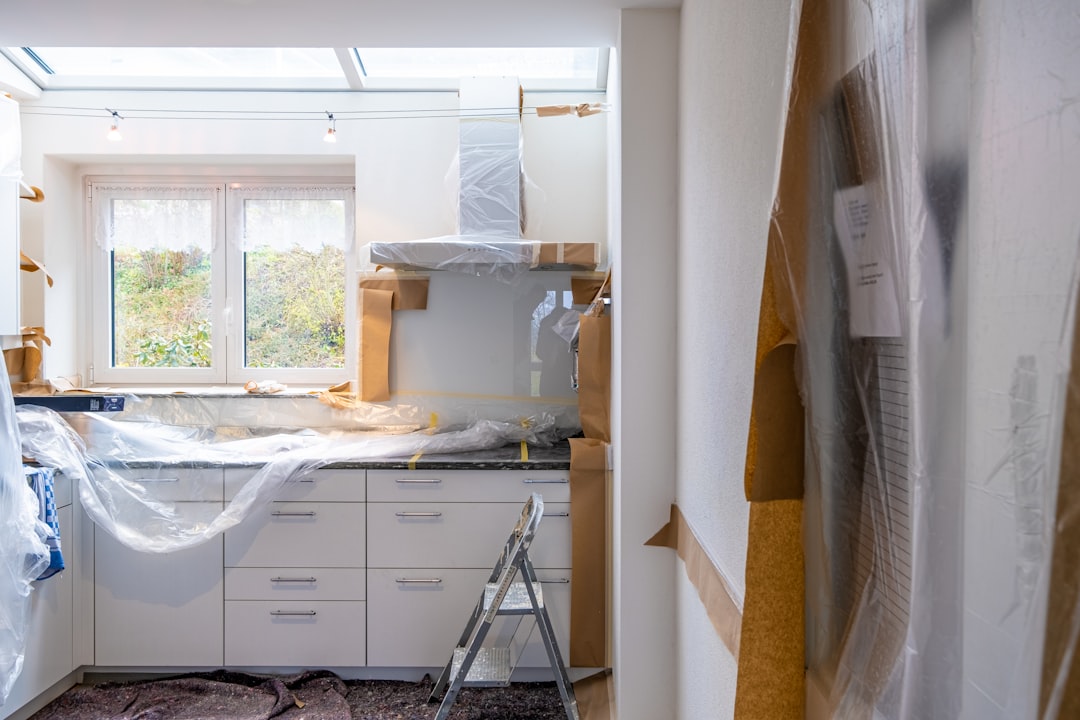
Living in a compact home doesn’t mean you have to compromise on style or feel confined. With thoughtful design, even the most modest spaces can be transformed to feel expansive and sophisticated. The challenge lies in balancing function with aesthetics to create an environment that is both livable and luxurious.
This guide presents ten strategic home renovation and decoration principles. These tips are designed to visually expand your square footage while infusing every corner with an elegant, refined sensibility. Whether you’re a tenant looking to personalize your rental or a landlord aiming to increase property appeal, these concepts deliver significant impact.
1. Master the Monochromatic Color Scheme
Color is your most powerful tool in the quest for a spacious feel. A cohesive, light-toned palette throughout the home eliminates visual breaks and allows the eye to travel seamlessly from room to room. This continuity is key to perceiving a larger, unified space.
For an elegant foundation, consider these hues:
- Soft Neutrals: Off-whites, warm greiges, and pale oatmeals reflect light beautifully and create a serene, airy backdrop.
- Cool Pastels: Very light shades of sage, sky blue, or lavender can add subtle personality without closing in the walls.
- Consistent Trim: Paint doors, window frames, and baseboards the same color as the walls to further blur boundaries and enhance flow.
2. Prioritize Reflective Surfaces and Strategic Lighting
Amplifying natural and artificial light is non-negotiable for a bright, open atmosphere. Dark corners make rooms feel smaller, while well-lit spaces appear to push walls outward. This is a cornerstone of effective home decoration interior design for compact areas.
Lighting Strategies to Implement
- Install large mirrors opposite windows to double the daylight and view.
- Use glossy paint finishes on ceilings and semi-gloss on trim to bounce light around.
- Layer lighting with recessed ceiling fixtures, sleek floor lamps, and under-cabinet LED strips to eliminate shadows.
3. Choose Furniture with Legs and Light Proportions
Bulky, solid furniture consumes visual space. Opt for pieces that appear to float, allowing light and sightlines to pass underneath them. This creates a sense of openness and floor space, making the room feel less crowded.
Key characteristics to look for include:
- Raised legs on sofas, chairs, and beds.
- Glass or acrylic materials for coffee and side tables.
- Furniture scaled appropriately for the room—sometimes a few smaller-scale pieces are better than one large sectional.
4. Implement Clever, Multi-Functional Storage
Clutter is the enemy of both space and elegance. Intelligent storage solutions that hide belongings are essential. Built-in units are ideal as they utilize often-wasted space and present a clean, custom look.
- Consider window seats with hidden compartments, or floor-to-ceiling cabinets that blend with the wall color.
- Use ottomans with storage inside, and beds with built-in drawers.
- For tenants, freestanding cabinets with a minimalist design can offer a similar streamlined effect.
5. Use Vertical Lines to Draw the Eye Upward
Emphasizing height makes any room feel grander. Direct attention upward to exploit the full volume of your space. This simple trick adds a layer of architectural interest and refined style.
Effective methods include:
- Hanging curtains from the ceiling to the floor, even if the window is short.
- Installing vertical shiplap, beadboard, or tall, slender bookshelves.
- Choosing artwork and mirrors in a vertical orientation.
6. Select Large-Scale, Cohesive Flooring
Continuity underfoot is as important as continuity on the walls. Using the same flooring material throughout the main living areas prevents visual choppiness. Light-colored, wide-plank hardwood or large-format tiles are excellent choices for creating a seamless expanse.
For landlords, this is a valuable home improvement that significantly boosts a property’s perceived value. Tenants can achieve a similar effect with large, neutral-colored area rugs that cover most of the floor.
7. Embrace Strategic Minimalism and Negative Space
Elegance often speaks through restraint. A carefully edited selection of decor items has more impact than a crowded collection. Allow surfaces like mantels, shelves, and walls to have breathing room—this “negative space” gives the eye a place to rest and enhances the importance of each displayed object.
- Adopt a “one in, one out” rule for accessories.
- Choose a few high-quality, meaningful pieces over many generic ones.
- Keep countertops and tabletops as clear as functionality allows.
8. Incorporate Sheer and Textural Window Treatments
Heavy drapes can block light and weigh down a room. Light-filtering fabrics like linen, cotton, or sheer weaves provide privacy while maintaining an airy, soft quality. They add a layer of tactile elegance without sacrificing brightness.
Hang them wide of the window frame to keep the entire glass area exposed when open. This framing technique makes the window itself appear larger.
9. Define Zones with Rugs and Lighting, Not Walls
In open-plan spaces or studio apartments, creating distinct areas for living, dining, and sleeping is crucial. Instead of physical barriers, use area rugs, changes in lighting, or the strategic placement of furniture backs to subtly define zones. This maintains an open sightline while organizing the flow of the home.
10. Invest in a Few Statement Pieces of Quality
Finally, true refinement comes from quality, not quantity. When planning your home renovation budget, allocate resources toward a few exceptional items. A beautifully crafted sofa, an original piece of art, or a designer light fixture becomes a focal point that elevates the entire space.
This approach ensures every element feels intentional and contributes to a cohesive, upscale environment. It’s a wise strategy for any home improvement project, particularly in a new house where you’re establishing the foundational style.
Crafting Your Spacious and Sophisticated Sanctuary
Transforming a small house into a feeling of expansive elegance is an exercise in intelligent design choices. It requires a shift in perspective, focusing on visual perception, light manipulation, and purposeful editing. By implementing these ten tips—from a unified color story to strategic furniture selection and mindful accessorizing—you can fundamentally alter how your space is experienced.
The journey of home decoration interior design for a compact area is deeply rewarding. Each decision, from the flooring to the fixtures, works in concert to create a home that feels both larger and more refined. Whether you’re undertaking a full home renovation or making thoughtful updates, these principles provide a reliable blueprint for achieving a brighter, more elegant living environment that belies its square footage.

Leave a Reply