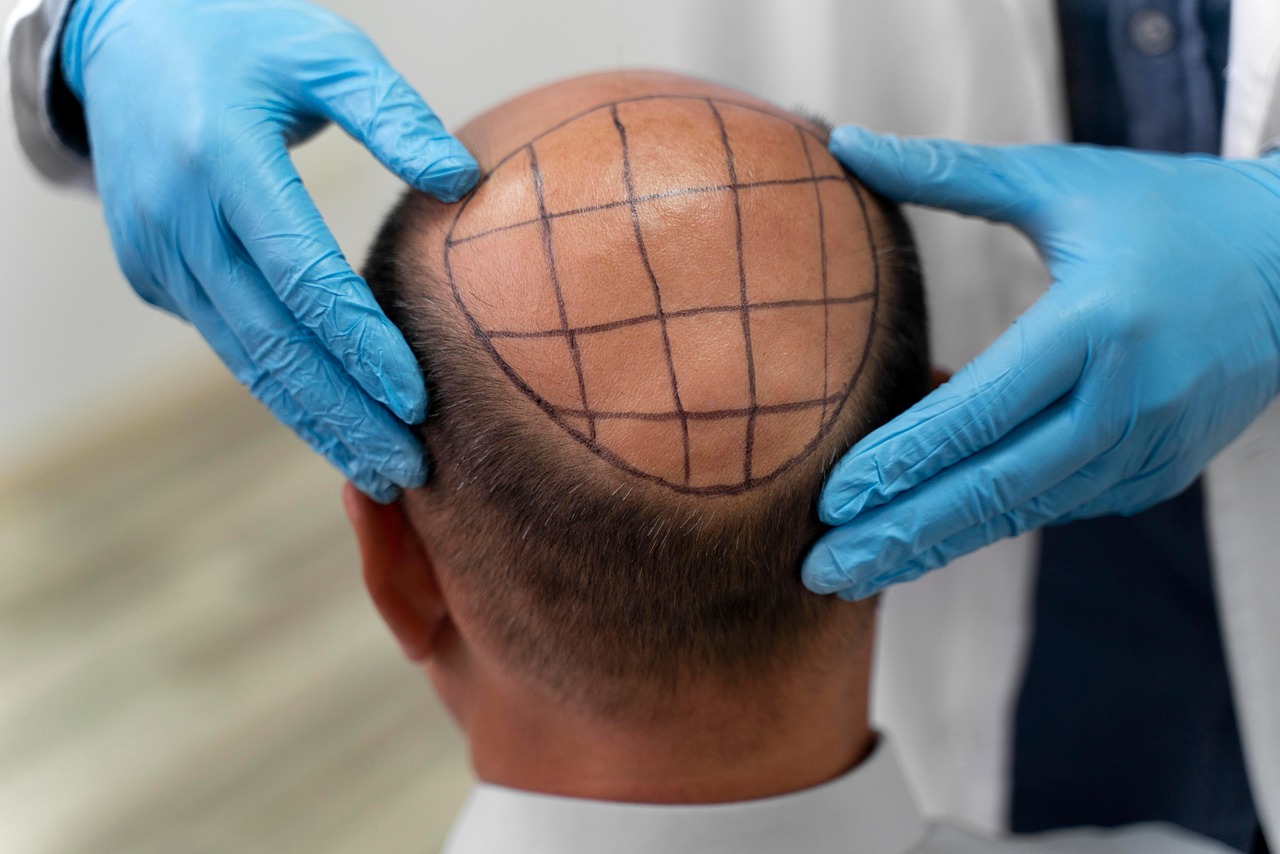
For millions of Americans, noticing thinning hair or a receding hairline is a source of significant concern. The search for effective solutions can feel overwhelming, with a dizzying array of products and promises flooding the market. However, modern dermatology and nutritional science have converged to provide a clear, multi-faceted roadmap for addressing this common issue. This guide examines the foundational principles of hair health, from the nutrients you consume to the latest clinical interventions, offering a structured approach to prevention and treatment.
Understanding the Root Causes of Hair Loss
Before exploring treatments, it’s crucial to understand what you’re treating. Hair loss, or alopecia, is rarely caused by a single factor. The most common form, androgenetic alopecia (male or female pattern baldness), is driven by genetics and hormonal sensitivity. Other prevalent causes include:
- Telogen Effluvium: A temporary but dramatic shedding often triggered by severe stress, illness, surgery, or rapid weight loss.
- Nutritional Deficiencies: Inadequate intake of key vitamins and minerals can directly impair the hair growth cycle.
- Medical Conditions: Thyroid disorders, autoimmune diseases like alopecia areata, and scalp infections.
- Medications: Certain drugs for blood pressure, depression, gout, and cancer can list hair loss as a side effect.
A formal diagnosis from a dermatologist or trichologist is the essential first step. They can identify your specific type of hair loss, which directly informs the most effective treatment strategy. This professional guidance is especially important when considering the evolving landscape of hair loss treatment 2026 and beyond, which is increasingly personalized.
The Foundational Role of Nutrition and Diet
Your hair is a direct reflection of your internal health. The follicles require a constant supply of specific nutrients to grow and remain in their active phase. Optimizing your daily diet may help reduce hair loss significantly, especially if deficiencies are a contributing factor.
Key Nutrients for Hair Follicle Support
Focus on incorporating these powerhouse nutrients through whole foods:
- Iron: Carries oxygen to hair follicles. Found in red meat, spinach, lentils, and fortified cereals.
- Zinc: Plays a role in hair tissue growth and repair. Sources include oysters, pumpkin seeds, beef, and chickpeas.
- B Vitamins (especially Biotin & B12): Aid in red blood cell formation, which brings oxygen to the scalp. Eggs, almonds, salmon, and avocados are excellent sources.
- Vitamin D: Low levels are linked to alopecia. Get it from fatty fish, fortified dairy, and sensible sun exposure.
- Protein: Hair is primarily made of keratin, a protein. Insufficient intake can lead to weak, brittle hair. Prioritize lean meats, fish, eggs, beans, and Greek yogurt.
Dietary Patterns for Long-Term Health
Beyond individual nutrients, overall dietary patterns matter. Diets high in processed foods, sugar, and unhealthy fats can promote inflammation, which may negatively impact hair follicles. A balanced diet rich in antioxidants from colorful fruits and vegetables helps combat this oxidative stress, creating a healthier environment for hair growth.
Topical and Oral Medications: The Clinical First Line
When dietary adjustments are not enough, FDA-approved medications are the cornerstone of medical treatment for pattern hair loss. These treatments are most effective at slowing loss and regrowing miniaturized hairs, particularly when started early.
Minoxidil (Rogaine®)
Available over-the-counter as a liquid or foam, Minoxidil is a vasodilator applied directly to the scalp. It is believed to extend the growth phase of hair follicles and increase follicle size.
- Usage: Applied twice daily for men and women (women often use a lower 2% strength).
- Key Consideration: Results take 4-6 months to become visible, and treatment must continue indefinitely to maintain benefits.
Finasteride (Propecia®)
This prescription oral medication works systemically to inhibit the conversion of testosterone to dihydrotestosterone (DHT), the hormone that shrinks follicles in genetically susceptible individuals.
- Usage: Prescribed primarily for men with androgenetic alopecia.
- Key Consideration: It is highly effective at stopping progression and promoting regrowth but requires a doctor’s supervision due to potential side effects.
Advanced Hair Restoration Treatments
For individuals seeking more definitive solutions, several advanced clinical procedures have moved into the mainstream. Consulting with a board-certified specialist for a hair restoration treatment near me is critical to explore these options.
Low-Level Laser Therapy (LLLT)
This treatment uses laser or LED light caps or combs to stimulate cellular activity in the follicles. It’s considered a non-invasive option to help improve hair density and is often used in conjunction with other treatments.
Platelet-Rich Plasma (PRP) Therapy
PRP involves drawing a small amount of the patient’s blood, processing it to concentrate the platelets, and injecting it into the scalp. The growth factors in platelets are thought to stimulate dormant hair follicles, promoting new growth.
Surgical Hair Transplantation
This remains the most permanent solution for pattern baldness. Modern techniques like Follicular Unit Extraction (FUE) involve transplanting individual hair follicles from a donor area (typically the back of the head) to the thinning areas. Results are natural-looking and permanent.
Building a Sustainable Treatment Plan
Success in managing hair loss rarely comes from a single miracle cure. It is typically the result of a consistent, layered approach tailored to your individual diagnosis and goals. The most effective strategy often combines internal support with external intervention.
- Start with a Diagnosis: Schedule a consultation with a dermatologist to identify the specific cause of your hair loss.
- Fortify the Foundation: Address any nutritional gaps through a targeted diet and consider a high-quality supplement if recommended by your doctor.
- Commit to Consistent Care: If a medication like Minoxidil or Finasteride is prescribed, adherence is non-negotiable for seeing results.
- Explore Advanced Options: For more advanced loss, research reputable clinics for procedures like PRP or transplantation.
- Practice Gentle Hair Care: Avoid tight hairstyles, excessive heat styling, and harsh chemical treatments that can cause breakage and traction alopecia.
The journey to addressing hair loss is a marathon, not a sprint. It requires patience, as most treatments need several months to show visible improvement. By understanding the synergy between the nutrients you provide your body, the proven medications that target hormonal pathways, and the advanced restoration techniques available, you can move forward with a comprehensive and informed plan. The optimal path forward involves integrating these evidence-based strategies—starting with the building blocks of a nutrient-rich diet, supported by targeted vitamins, and augmented with clinically-validated medications or procedures as needed.

Leave a Reply