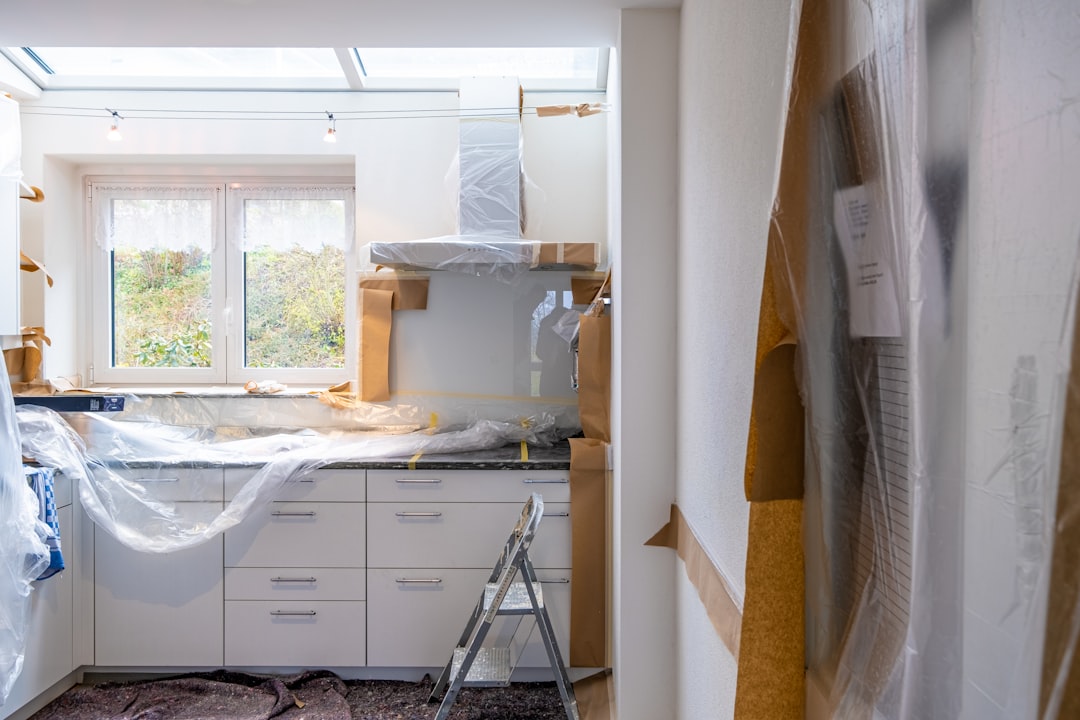
The challenge of a compact living space is one many homeowners face, yet it presents a unique opportunity for creative and strategic design. With thoughtful planning, even the most modest floor plan can be transformed to feel expansive, airy, and significantly more valuable. The key lies not in adding square footage, but in employing visual tricks and smart upgrades that alter perception.
This approach to home renovation is about maximizing what you have. By focusing on light, flow, and multi-functionality, you can create a home that feels larger, functions better, and stands out in the market. These are among the best home renovations for enhancing daily living and long-term appeal.
Mastering the Illusion of Space
The art of making a small house appear larger is rooted in principles of perception. It’s about guiding the eye and eliminating visual clutter. Successful strategies often involve a combination of cosmetic changes and structural tweaks that work in harmony.
Harness the Power of Light and Color
Light is the most powerful tool in your arsenal. A bright room instantly feels more open and inviting. The goal is to create a seamless, airy atmosphere that draws the eye upward and outward.
Consider these impactful upgrades:
- Embrace a Monochromatic Palette: Painting walls, trim, and ceilings the same light, neutral color eliminates visual breaks, making boundaries seem to recede. Soft whites, pale grays, and warm beiges are classic choices that reflect light beautifully.
- Install Reflective Surfaces: Large mirrors strategically placed opposite windows double natural light and create the illusion of depth. Consider mirrored cabinet fronts or a glossy, light-colored floor finish.
- Maximize Natural Light: Replace heavy drapes with sheer shades or minimalist blinds. Ensure window treatments are mounted above the frame and extend wide to fully expose the glass.
- Layer Artificial Lighting: Rely on multiple light sources—ambient (overhead), task (under-cabinet, reading lamps), and accent (wall sconces)—to eliminate shadows and make every corner feel intentional and bright.
Optimize Layout and Sightlines
How furniture is arranged can make or break a small space. The objective is to create clear pathways and unobstructed views from one room to the next, enhancing the sense of flow.
Key layout strategies include:
- Choose Low-Profile Furniture: Select sofas and chairs with exposed legs and lower backs. This allows light to pass underneath and maintains a clear view across the room, making the ceiling appear higher.
- Float Furniture Away from Walls: Contrary to instinct, pulling seating arrangements a few inches from the wall can make a room feel larger by creating depth and defining zones without building walls.
- Prioritize Multi-Functional Pieces: An ottoman with storage, a sleeper sofa, or a nesting side table adds utility without consuming extra floor space. This is a cornerstone of budget-friendly home upgrades.
- Consider Strategic Openings: For more involved projects, replacing a solid wall with a half-wall, a pass-through, or glass-paneled French doors can visually connect spaces, making two small rooms feel like one grand area.
Strategic Renovations with Maximum Impact
While decor changes are effective, certain physical alterations to the home can permanently solve spatial challenges. These projects are considered some of the best home renovations for increasing both livability and property value.
Reimagine Vertical Space and Storage
Clutter is the enemy of a small home. Innovative storage that reaches upward, rather than outward, keeps floors clear and surfaces tidy, which is essential for maintaining an open feel.
- Build Floor-to-Ceiling Cabinetry: In kitchens, living rooms, and bedrooms, cabinets that extend to the ceiling draw the eye up and provide ample storage, eliminating the need for bulky freestanding units.
- Incorporate Built-Ins: Custom shelving in alcoves or around doorways utilizes every inch of available space. A built-in window seat with drawers below is a charming and practical example.
- Utilize the Space Under Stairs: This often-wasted area can be transformed into a compact home office, a reading nook, or a sophisticated storage solution with pull-out drawers or cabinets.
Focus on Cohesive Flooring
Flooring has a profound effect on how a space is perceived. Consistency is more important than the material itself when the goal is to create a sense of expansiveness.
For a unified look:
- Use the Same Flooring Throughout: Continuity of flooring material—whether hardwood, luxury vinyl plank, or tile—from the entryway through main living areas eliminates visual choppiness and makes the entire floor plan feel connected.
- Opt for Larger Planks or Tiles: Larger format floor materials have fewer grout lines or seams. This creates a cleaner, less-busy visual plane, which enhances the feeling of space.
- Install Flooring on a Diagonal: Laying wood planks or tiles on a 45-degree angle can cleverly lead the eye to the corners of a room, making it appear wider than it is.
Affordable Home Renovations for Immediate Effect
Not every change requires a major construction project. Several high-impact, low-disruption updates can deliver remarkable results. These budget-friendly home upgrades are perfect for homeowners looking for a quick refresh.
- Update Door Hardware and Lighting Fixtures: Swapping out dated brass doorknobs and dark, heavy light fixtures for modern, streamlined designs in brushed nickel or matte black instantly modernizes a space and reduces visual weight.
- Replace Heavy Doors with Sliding or Pocket Doors: Traditional swing doors consume valuable floor space. A sliding barn door or a pocket door that disappears into the wall can save several square feet in a tight hallway or bathroom.
- Declutter and Edit Ruthlessly: This is the most effective zero-budget renovation. Adopt a minimalist mindset. Keep only items that are functional or bring genuine joy, and ensure everything has a dedicated storage place.
- Add Strategic Greenery: A tall, slender indoor plant in a corner or a few small succulents on a shelf add life and color without clutter. They help draw the eye upward and soften hard lines.
The Kitchen and Bathroom: Small Changes, Big Returns
These high-traffic rooms are critical in the perception of a home’s size and value. Even minor updates here are considered top-tier home renovations to increase value.
In the kitchen:
- Install open shelving in place of upper cabinets to create airiness.
- Choose a reflective glass or glossy subway tile backsplash.
- Opt for a single-bowl, undermount sink to maximize counter space.
In the bathroom:
- Use a large, frameless glass shower door instead of a curtain.
- Install a floating vanity to expose more floor.
- Use a continuous countertop material that extends over the vanity and into the shower niche.
The journey to a more spacious-feeling home is a deliberate process of editing, enhancing, and strategically upgrading. It begins with a shift in perspective, seeing not the limitations of square footage but the potential of volume, light, and flow. By implementing these principles—from the simple act of decluttering to the more involved project of unifying your flooring—you undertake a series of home renovations to increase value in the most fundamental way. You create a living environment that feels larger, more luxurious, and perfectly tailored to modern life, proving that perceived space is just as valuable as the space itself.

Leave a Reply