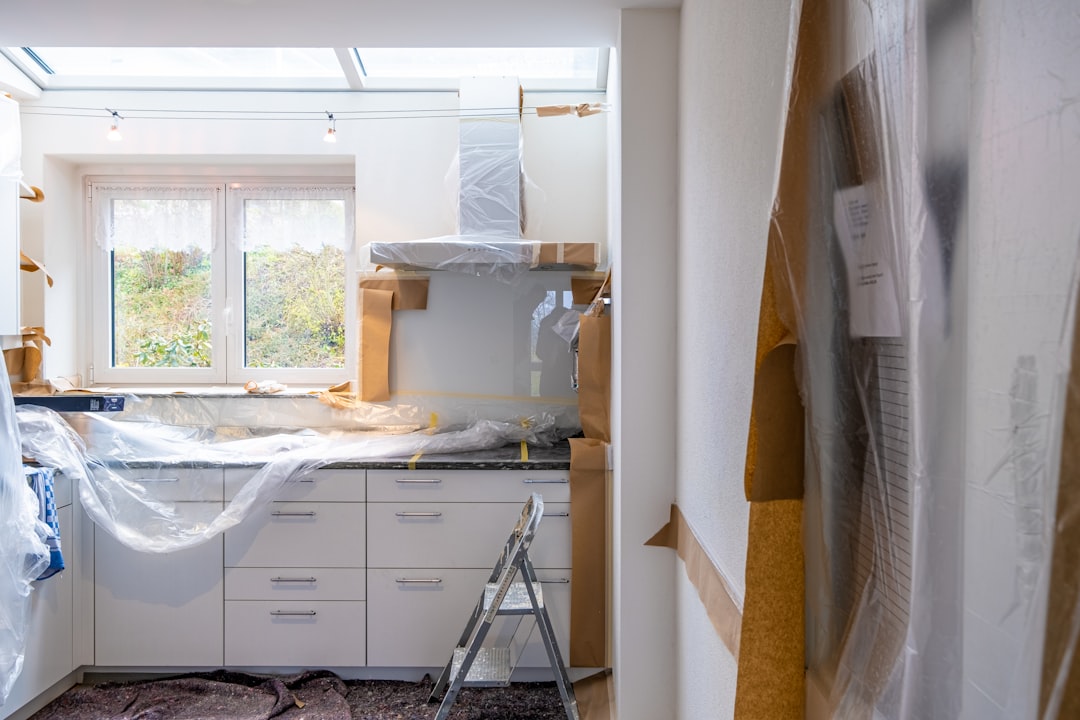
The challenge of a compact living space is a common one, yet it presents a unique opportunity for creative home renovation. With thoughtful design strategies, you can transform the perception of your space, making it feel airy, open, and significantly more expansive. The goal is not to add square footage but to master the art of visual illusion.
Mastering the Illusion of Space
Successful home improvement in a small area hinges on a few foundational principles. These concepts guide every decision, from paint selection to furniture arrangement, ensuring a cohesive and open result.
The Power of Light and Brightness
Light is the most effective tool for opening up a room. A bright space feels larger because shadows and dark corners recede, while light reflects and expands.
Key tactics include:
- Embrace a Light, Monochromatic Palette: Soft whites, pale grays, and creamy off-whites on walls, ceilings, and trim create a seamless visual flow. This continuity makes boundaries less defined, pushing them outward.
- Maximize Natural Light: Use sheer window treatments or forgo them entirely. Mirrors strategically placed opposite windows will double the daylight and the view.
- Layer Artificial Lighting: Rely on ambient, task, and accent lighting. Recessed ceiling lights, slim-profile floor lamps, and under-cabinet strips eliminate dark pools that make a room feel closed in.
Strategic Furniture Selection and Placement
Bulky, oversized furniture is the enemy of a small floor plan. Your selections should prioritize proportion, legibility, and multifunctionality.
Consider these guidelines:
- Choose Furniture with Legs: Sofas, chairs, and beds with exposed legs allow light to pass underneath, creating a sense of airiness and making the floor space appear more continuous.
- Scale Down: Opt for a loveseat instead of a full sofa, a round pedestal table instead of a large rectangular one, and a streamlined media console.
- Float Furniture: Avoid pushing all furniture against the walls. “Floating” a sofa in the middle of a room with a console table behind it can actually create better traffic flow and make the room feel larger.
- Invest in Dual-Purpose Pieces: An ottoman with storage, a sleeper sofa, or a nesting side table adds functionality without consuming additional visual real estate.
Advanced Home Renovation Techniques
Beyond decor, certain structural or semi-structural changes during a home renovation can have a dramatic impact. These approaches require more planning but offer lasting benefits for your new home style.
Vertical Expansion and Built-Ins
Drawing the eye upward emphasizes height, which is often an underutilized dimension. Built-in units provide storage without the visual clutter of freestanding items.
- Take Cabinetry to the Ceiling: Floor-to-ceiling bookshelves or kitchen cabinets eliminate dead space and create clean, long lines.
- Use Vertical Stripes or Board-and-Batten: Applied to a single accent wall, vertical details subtly lead the gaze up, making ceilings feel higher.
- Install Built-In Seating: A window bench or a banquette in a dining nook tucks neatly into the architecture, saving precious floor space.
Creating Visual Continuity
Disjointed spaces feel choppy and small. Creating a unified flow from room to room is a hallmark of sophisticated home decoration interior design.
- Unify Flooring: Using the same flooring material—especially light-toned hardwood, laminate, or large-format tile—throughout the main living areas creates an uninterrupted plane.
- Consider an Open Floor Plan: If your home renovation budget allows, removing non-load-bearing walls between a kitchen, dining room, and living room can be transformative. Always consult with a professional first.
- Use Consistent Trim and Door Styles: Repetition of design elements like baseboards, crown molding, and door hardware fosters a cohesive environment.
Color and Detail: The Finishing Touches for Elegance
Elegance in a small space is achieved through restraint, quality, and intentionality. The right colors and details add personality without overwhelming the senses.
A Sophisticated Color Strategy
While light colors form the base, strategic use of richer tones can add depth and luxury. The question of what colors can make your house look more elegant finds its answer in application.
- Accent with Depth: Use a deep navy, charcoal, or forest green on a single wall, inside built-in shelving, or on kitchen island cabinetry. This creates a focal point and makes lighter adjacent walls seem to recede further.
- Stick to a Tight Palette: Limit your main color scheme to three hues: a dominant light neutral, a secondary neutral, and one carefully chosen accent color.
- Incorporate Metallic Finishes: Brushed brass, matte black, or polished chrome on fixtures, hardware, and lighting adds a layer of refined detail that reflects light.
Curating a Clutter-Free Environment
Elegance and clutter cannot coexist. A disciplined approach to possessions is the final, critical step in making your house look more elegant and spacious.
- Embrace Concealed Storage: Every item should have a designated home out of sight. Baskets, bins, and closed cabinets are essential.
- Edit Your Decor: Adopt a “less is more” philosophy. A few meaningful pieces of art, a single striking vase, or a beautiful throw blanket have more impact than a collection of smaller knick-knacks.
- Maintain Clear Surfaces: Keep countertops, tabletops, and floors as clear as possible. This visual “breathing room” is crucial for a serene atmosphere.
The journey of home renovation for a smaller property is an exercise in intelligent design. By focusing on light, scale, flow, and thoughtful curation, you create not just the illusion of more space, but a genuinely more functional and elegant home. The result is a living environment that feels expansive, intentional, and perfectly tailored to a refined new home style, proving that thoughtful design always outweighs sheer square footage.

Leave a Reply