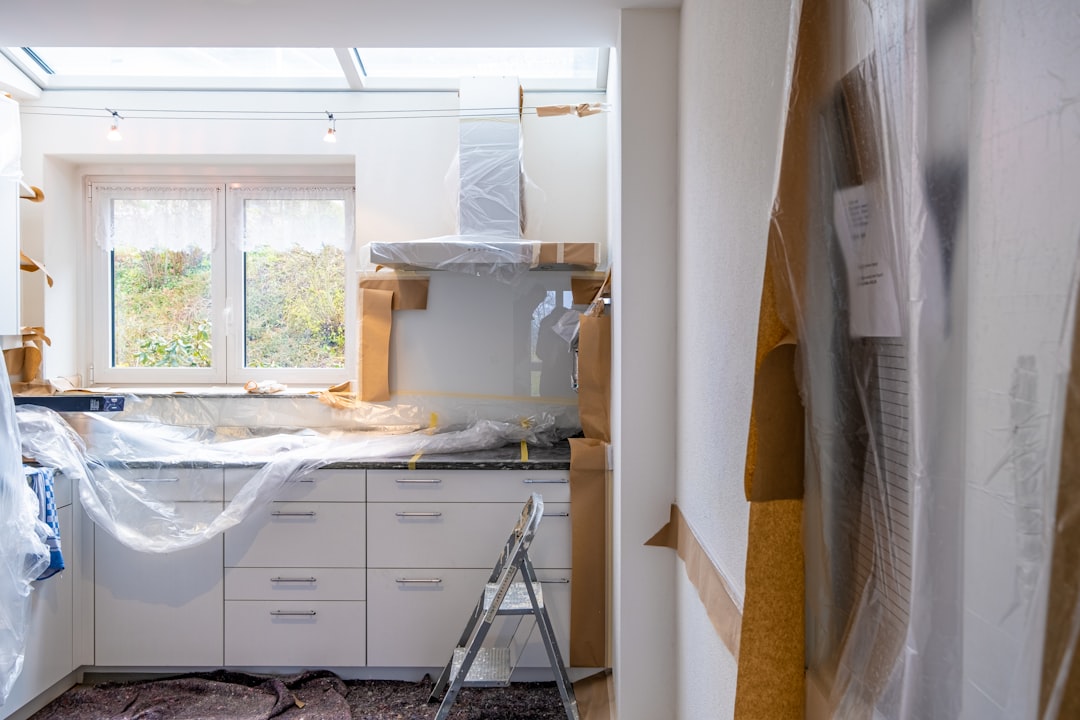
The challenge of a compact living space is one many homeowners face. A smaller footprint doesn’t have to mean sacrificing style or feeling cramped. With thoughtful home decoration interior design strategies, you can transform your space into one that feels both expansive and elegantly refined. The goal is to create an illusion of volume and flow, turning perceived limitations into opportunities for sophisticated design.
Mastering the Illusion of Space
The first step in any successful home renovation for a small area is understanding the principles of visual perception. Certain design choices can trick the eye, making walls recede and rooms feel airier. This approach is less about radical reconstruction and more about intelligent, aesthetic decisions that maximize every square foot.
Embrace a Light and Cohesive Color Palette
Color is the most powerful tool in your arsenal. Light, neutral tones reflect natural and artificial light, making spaces feel open and bright. For a cohesive look that enhances the sense of flow, consider these applications:
- Walls and Ceilings: Paint walls, ceilings, and trim in similar light shades. A monochromatic scheme eliminates visual breaks, making boundaries less defined.
- Furniture and Flooring: Select upholstery and rugs in tones that complement the wall color. A continuous color story from floor to ceiling expands the perceived volume.
- Accent Colors: Introduce depth and elegance with muted, sophisticated accents like sage green, navy blue, or warm taupe through artwork, pillows, or a single statement chair.
Prioritize Strategic Lighting
A well-lit room always feels larger. Relying on a single overhead light creates shadows that shrink a space. A layered lighting plan is essential for both function and ambiance.
- Ambient Light: Use recessed lighting or slim-profile ceiling fixtures to provide a bright, even base layer of illumination.
- Task Lighting: Incorporate under-cabinet lights in kitchens, reading lamps by chairs, and focused lighting on workspaces.
- Accent Lighting: Use wall sconces, picture lights, or LED strips to draw the eye upward and highlight architectural features or artwork, adding vertical interest.
Cultivating an Elegant Atmosphere
Elegance in a small home is achieved through curation, not clutter. It’s about selecting pieces with intention and ensuring every item contributes to a serene, polished environment. This philosophy should guide your home decoration interior design choices from furniture to accessories.
Invest in Quality Over Quantity
In a limited area, each piece of furniture must earn its place. Opt for fewer, higher-quality items that offer both beauty and function.
- Clean Lines: Furniture with simple, tailored silhouettes and exposed legs creates a sense of visual lightness and floor space.
- Dual-Purpose Design: Seek out elegant ottomans with storage, sleek sofa beds, or consoles that can serve as a dining table or desk.
- Reflective Surfaces: Incorporate materials like glass, polished marble, or high-gloss lacquer. A glass coffee table or a mirrored accent piece can visually double the space.
Implement Smart Storage Solutions
Clutter is the enemy of both space and elegance. Intelligent storage that blends seamlessly into your design is a non-negotiable aspect of home improvement.
- Built-In Units: Custom floor-to-ceiling bookshelves or cabinets maximize vertical storage and create a streamlined, architectural look.
- Hidden Storage: Utilize the space under beds, inside window seats, and within multi-functional furniture to tuck away belongings.
- Decluttered Surfaces: Adopt a disciplined approach to countertops, shelves, and tables. Display only a few meaningful decorative objects to maintain a clean aesthetic.
Strategic Layouts and Visual Tricks
How you arrange your space can have a dramatic impact on how it feels. Thoughtful placement guides movement and sightlines, creating a harmonious and open environment.
Foster Unobstructed Flow
Arrange furniture to promote easy movement through the room. This often means floating pieces away from walls to create pathways.
- Zone with Rugs: Use area rugs to define different functional zones, such as a seating area or a dining space, without building physical walls.
- Scale Appropriately: Avoid oversized furniture that overwhelms the room. Choose pieces that are proportional to your space.
- Vertical Emphasis: Draw the eye upward with tall bookcases, floor-to-ceiling drapery, or vertical striped wall treatments to heighten the room.
Incorporate Reflective and Transparent Elements
Using reflection and transparency is a classic designer trick to amplify light and sightlines.
- Strategic Mirrors: Place a large mirror opposite a window to reflect the outdoors and double the natural light. A mirrored wall can make a narrow hallway disappear.
- Glass and Lucite: Transparent furniture, like acrylic chairs or glass tabletops, occupies visual space without creating a solid block, maintaining an airy feel.
Planning Your Transformation
Whether you’re settling into a new house or refreshing your current one, a phased approach ensures your project remains manageable and aligned with your vision. Careful planning is the cornerstone of effective home renovation.
Develop a Cohesive Vision
Before purchasing a single paint sample, create a mood board. Collect images, fabric swatches, and color palettes that embody the elegant, spacious feel you desire. This will serve as your roadmap and prevent disjointed choices.
Establish a Realistic Home Renovation Budget
A clear financial plan is critical. Your home renovation budget should account for both larger investments, like quality seating or custom storage, and smaller details, like hardware and lighting fixtures.
- Prioritize Investments: Allocate more of your home improvement cost to items you use daily and that define the room’s structure, such as a comfortable sofa or a well-made bed.
- Phase the Project: Tackle one room or one element at a time. You might start with paint and lighting, then add furniture and window treatments in subsequent phases.
Transforming a small house into a residence that feels both larger and more elegant is an exercise in intelligent design. By focusing on light, color, refined furnishings, and strategic layouts, you can create a home that doesn’t just look bigger but feels profoundly more serene and sophisticated. The result is a living space that transcends its square footage, offering a daily retreat of style and comfort.

Leave a Reply