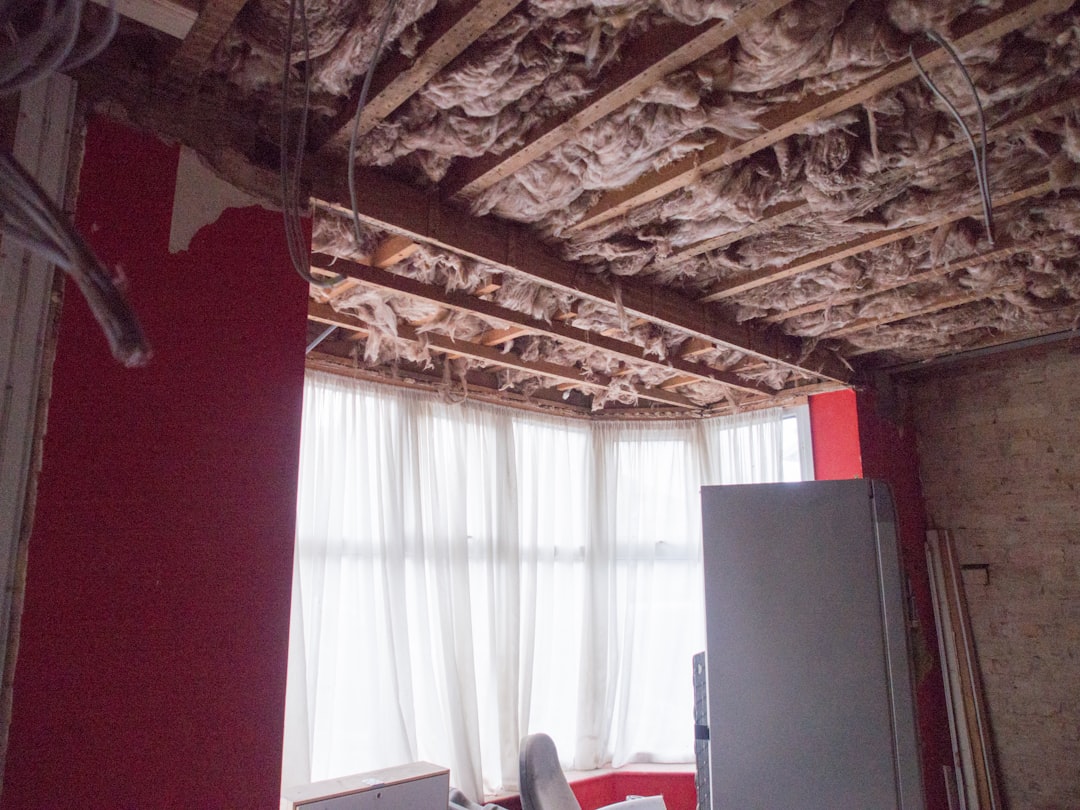
For the dedicated homeowner, few projects offer the long-term satisfaction of a well-insulated home. The promise of lower energy bills, enhanced comfort, and a quieter living space is compelling. Increasingly, do-it-yourself enthusiasts are turning to spray foam insulation kits to tackle these upgrades, drawn by the potential for professional-grade results.
Yet, the journey from purchase to performance is fraught with critical decisions. Not all spray foam kits are created equal, and selecting the wrong one can undermine your entire effort. The result isn’t just a subpar job—it’s persistent drafts, temperature fluctuations, and material that fails to deliver on its thermal promise.
This guide cuts through the confusion. We will walk you through the essential factors that separate an effective DIY spray foam insulation project from a disappointing one, ensuring your investment pays off in lasting comfort and efficiency.
The Foundation: Closed-Cell vs. Open-Cell Foam
Your first and most significant choice is between two fundamental material types. This decision dictates everything from insulating power to moisture control, and it is not interchangeable.
Understanding Closed-Cell Spray Foam
Closed-cell foam is dense, rigid, and highly efficient. Its cells are packed tightly together, creating a formidable barrier. This structure grants it several distinct advantages for specific applications.
- High R-Value: It provides roughly R-6 to R-7 per inch, making it one of the most effective insulating materials available for its thickness.
- Structural Rigidity: When cured, it adds strength to walls and roofs, which can be beneficial in certain framing situations.
- Superior Moisture and Vapor Barrier: It effectively blocks liquid water and water vapor, making it ideal for below-grade applications like basements or in humid climates.
- High Yield per Kit: Because it expands less, a closed cell spray foam kit covers a smaller area per volume but provides more insulating power in that space.
Understanding Open-Cell Spray Foam
Open-cell foam is softer, more flexible, and expands significantly more during application. Its cells are intentionally broken, allowing air to fill the material, which defines its characteristics.
- Excellent Air Sealing: It is unparalleled at filling odd-shaped cavities and stopping air infiltration, which is a primary source of energy loss.
- Sound Dampening: The soft, porous structure absorbs sound waves, making it a favorite for interior walls and ceilings.
- Lower R-Value: It typically provides R-3.5 to R-4 per inch, meaning you need a greater thickness to achieve the same thermal performance as closed-cell.
- Permeable to Moisture: It allows moisture vapor to pass through, which can be desirable in some wall assemblies to allow drying but requires careful planning to avoid condensation issues.
Key Specifications for Your Project Plan
Once you understand the foam type, you must match the kit’s specifications to your project’s physical requirements. Overlooking these details is a common source of frustration.
Calculating Coverage and Board Feet
Kit sizes are listed in board feet, a measure of volume. One board foot equals a 12-inch by 12-inch area at a 1-inch thickness. However, coverage is not straightforward.
- Account for Expansion: Open-cell foam can expand 100 times its liquid volume, while closed-cell expands about 30 times. The stated coverage assumes a specific final installed thickness.
- Measure Precisely: Calculate the total square footage of the area and your target depth. Always purchase 10-15% more than your calculation to account for uneven surfaces and learning curve.
- Kit Yield: A “600 board foot kit” does not cover 600 square feet at 1 inch thick if you are applying 3 inches. It would cover approximately 200 square feet at that depth.
R-Value and Climate Considerations
The R-value measures thermal resistance. Higher numbers mean better insulation. Your local building code specifies minimum R-values for attics, walls, and floors based on your climate zone.
- Match Code Requirements: Consult your municipality’s codes for your project type. This will dictate the minimum thickness you need to apply.
- Factor in Foam Type: Remember, to achieve an R-38 in an attic, you would need about 6 inches of closed-cell foam but nearly 10 inches of open-cell.
- Beyond the Minimum: For optimal energy performance, especially in extreme climates, consider exceeding the minimum code requirements where space allows.
Practical Application and Safety Essentials
A spray foam kit is a chemical application tool. Success depends as much on preparation and protection as on the product itself.
Surface Preparation and Environmental Conditions
Foam will not adhere properly to dirty, oily, or frozen surfaces. The environment during application is equally critical.
- Clean and Dry: Surfaces must be free of dust, loose debris, and moisture. Wood should be dry.
- Temperature Matters: Both the ambient air and the substrate temperature should typically be between 60°F and 80°F for proper chemical reaction and curing. Check your specific kit’s instructions.
- Ventilation is Crucial: During application, you must have strong, continuous ventilation. The chemicals are hazardous until fully cured.
Non-Negotiable Safety Gear
This is not a project for casual safety. The components are chemical irritants and require serious protection.
- Respiratory Protection: A supplied-air respirator or a high-quality NIOSH-approved organic vapor respirator with P100 filters is mandatory. A dust mask is completely insufficient.
- Full Skin and Eye Coverage: Wear disposable coveralls, nitrile gloves, and chemical splash goggles. Once foam touches skin, it can only be removed after it cures and wears off.
- Protect the Space: Use plastic sheeting to cover every surface you do not intend to insulate, including windows, floors, and HVAC vents. Overspray is extremely difficult to remove.
Making the Final Selection
With knowledge in hand, your final decision becomes a clear checklist. Align your project’s needs with a kit designed to meet them.
- For Attics and Roofs: In most climates, open-cell foam is excellent for attic insulation foam applications due to its expansive air-sealing qualities. In hot, humid climates or where space is limited, closed-cell may be preferred.
- For Walls (Existing): Open-cell is often used in existing wall cavities as it expands to fill all gaps. Special low-pressure kits are designed for this to avoid “bowling” the wall.
- For Basements and Crawlspaces: Closed-cell foam is generally the recommended choice here due to its moisture resistance and higher R-value per inch in potentially damp conditions.
- Check Certifications: Look for kits that have ICC-ES evaluation reports or are UL classified. This indicates the product has been tested to meet specific performance and fire safety standards.
The right spray foam kit is the one that disappears into your walls, attic, or basement, working silently and effectively for decades. It is defined not by a brand name, but by its precise alignment with your home’s structure, your local climate, and your safety protocol. By prioritizing material science over marketing, you transform a complex chemical product into a simple, powerful tool for home improvement. Your informed choice today builds the comfort and efficiency of your home for years to come.

Leave a Reply