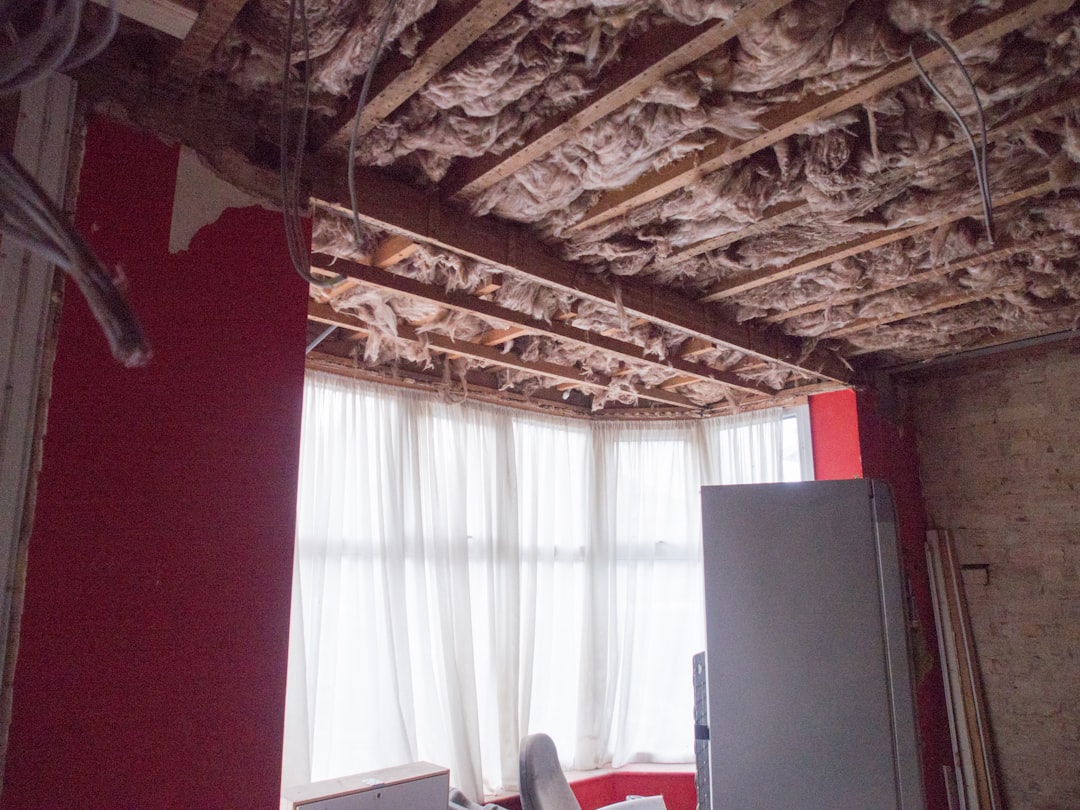
For the ambitious homeowner, the promise of a spray foam kit is compelling. The idea of transforming a drafty attic or sealing a chilly basement with a professional-grade material is a powerful draw. Yet, the journey from purchasing a kit to achieving a high-performance, durable insulation layer is filled with critical decisions that many first-time users overlook.
The market is flooded with options, each promising superior results. However, not all spray foam kits work the same. The difference between a successful, long-term upgrade and a disappointing, potentially problematic installation often comes down to understanding a few fundamental principles before you ever pull the trigger.
The Foundational Choice: Closed-Cell vs. Open-Cell Foam
This is the most significant decision you will make. The type of foam dictates its performance, application, and suitability for your project. Confusing the two is a primary reason for subpar outcomes in DIY spray foam insulation projects.
Understanding Closed-Cell Spray Foam
Closed-cell foam is dense, rigid, and acts as a powerful barrier. When evaluating a Closed Cell Spray Foam Kit, you are selecting a material known for its structural and protective qualities.
- High R-Value: It provides roughly R-6 to R-7 per inch, making it one of the most effective insulating materials available. This allows for a thinner application in space-constrained areas.
- Moisture and Vapor Barrier: Its dense cell structure resists water absorption and acts as an air and vapor retarder, which is crucial for foundations, crawl spaces, and exterior walls.
- Structural Rigidity: It can add strength to wall assemblies, a unique benefit among insulation types.
- Considerations: It is typically more material-intensive per square foot and requires precise application to avoid over-expansion that can warp framing.
Understanding Open-Cell Spray Foam
Open-cell foam is softer, more flexible, and expands significantly more than its closed-cell counterpart. It excels in specific acoustic and air-sealing roles.
- Excellent Air Sealer: Its expansive nature allows it to fill intricate nooks, crannies, and irregular cavities, creating an exceptional air barrier that stops drafts.
- Sound Dampening: The soft, spongy texture is highly effective at absorbing sound, making it a top choice for interior walls and ceilings.
- Lower Density: With an R-value of about R-3.5 to R-4 per inch, it requires a thicker application to achieve comparable thermal performance to closed-cell foam.
- Considerations: It is permeable to moisture and should not be used as a vapor barrier. It is often the preferred choice for attic insulation foam applications where deep filling of rafter bays is possible.
Beyond the Foam Type: Critical Kit Specifications
Once you’ve identified the right foam type for your project, the next step is to decode the kit’s specifications. These numbers are not marketing fluff; they are the blueprint for your project’s success.
R-Value and Coverage Area
Manufacturers provide coverage charts, but they are based on achieving a specific thickness and R-value. A common mistake is underestimating the volume needed.
- Always calculate your project’s total board feet (area in square feet multiplied by desired thickness in inches).
- Compare this to the kit’s stated yield at your target thickness. Purchase a kit with a 10-15% surplus to account for learning curve and complex geometries.
- Remember that a “600-board-foot kit” does not cover 600 square feet at one inch thick if you need a higher R-value requiring two or three inches of foam.
Component Technology and Spray Gun Design
The quality of the application equipment is as important as the foam chemistry. A poorly designed spray gun can lead to inconsistent mixing, clogging, and wasted material.
- Look for kits with professional-style guns that have easy-clean features and durable tips.
- Understand the hose system. Heated hoses are a premium feature that maintains ideal chemical viscosity for a smoother spray pattern, especially in cooler temperatures.
- Disposable kits with integrated applicators are convenient for very small jobs but offer less control for larger projects.
Safety and Preparation: Non-Negotiable Steps
DIY spray foam insulation is a chemical process. Respecting the safety protocols is essential for your health and a quality installation.
- Personal Protective Equipment (PPE): A supplied-air respirator is mandatory, not a disposable dust mask. Chemical cartridges are not sufficient. You must also wear coveralls, nitrile gloves, and full eye protection.
- Ventilation: The area must be well-ventilated during application and curing. Install exhaust fans to pull fumes outside. Occupants, pets, and plants must vacate the area.
- Substrate Readiness: The surface must be clean, dry, and free of dust, oil, or frost. Incorrect substrate temperature (usually between 60°F and 80°F) is a leading cause of poor adhesion and failed foam.
- Electrical and Ignition Sources: Foam components are flammable. Cover all electrical boxes, fixtures, and wiring. Disable pilot lights and ensure no sparks or open flames are present.
Application Mastery: Technique Trumps Speed
With the right kit and safety measures in place, technique becomes the final determinant of quality. Rushing this stage undermines the entire investment.
- Practice First: Use the provided test plate or a large piece of cardboard to dial in your spray pattern, trigger control, and pass speed. The goal is a consistent, “shag carpet” appearance.
- Layering: For thicknesses over two inches, apply in “lift” layers of 1-2 inches, allowing each to cool and cure before applying the next. This prevents excessive heat buildup and shrinkage.
- Movement and Angle: Keep the gun perpendicular to the surface and maintain a consistent distance (typically 18-24 inches). Use smooth, sweeping motions, overlapping each pass by 50%.
- Curing and Trimming: Allow the foam to cure fully as per manufacturer instructions—often 24 hours. Once fully cured, it can be trimmed flush with studs or joists using a serrated knife or specialized trimming tool.
The path to a successful insulation upgrade with a spray foam kit is one of informed selection and meticulous execution. It begins with matching the foam’s core properties—closed-cell for strength and moisture resistance, open-cell for expansive air sealing—to the specific demands of your attic, walls, or basement. It demands a careful review of coverage yields and equipment quality, and an unwavering commitment to safety and proper technique.
By moving beyond the generic search for spray foam kits and focusing on these critical differentiators, you equip yourself to make a selection that delivers not just material, but a lasting solution. The right kit, understood and applied correctly, transforms from a simple product into the key to achieving the comfort, efficiency, and durability you seek for your home.

Leave a Reply